Friday, May 29, 2026
This is my kind of weekend supper: four ingredients in the slow cooker, a few hours of puttering around the house, and then a hearty, stick-to-your-ribs casserole waiting under a golden, glossy blanket of cheese. I started making this for my husband when the kids were little and Saturdays were spent hauling hay or fixing fence on our old place. It reminds me of the no-fuss church potlucks of the Midwest—simple pantry staples, fibrous shreds of tender beef, and that cozy, umami-rich sauce bubbling away while you do anything but stand over a hot stove.
Slow cooker casserole served in a rustic bowl
I like to spoon this casserole over buttered egg noodles or mashed potatoes so all that savory, gelatinous sauce has something to soak into. A side of steamed green beans or a simple lettuce salad with a tangy dressing helps balance the richness. Warm dinner rolls or thick slices of buttered white bread are perfect for mopping up the extra gravy from the slow cooker.
Dad's 4-Ingredient Slow Cooker Casserole
Servings: 6
Ingredients
2 1/2 to 3 pounds boneless beef chuck roast, trimmed and cut into large chunks
2 (10.5-ounce) cans condensed cream of mushroom soup
1 (1-ounce) packet dry onion soup mix
2 cups shredded Colby-Jack or cheddar cheese, lightly packed
Beef roast and pantry ingredients on a kitchen counter
Directions
Lightly grease the inside of a 5- to 6-quart slow cooker with a bit of oil or cooking spray for easier cleanup.
Place the chunks of beef chuck roast in an even layer in the bottom of the slow cooker. The meat will cook down into tender, fibrous shreds as it braises.
Chunks of beef arranged in a slow cooker
In a medium bowl, stir together the condensed cream of mushroom soup and the dry onion soup mix until well combined. Do not add water; you want a thick, umami-rich sauce.
Pour the soup mixture evenly over the beef, using a spatula to spread it so all the meat is coated. The beef should be mostly submerged in the sauce.
Cover the slow cooker with the lid and cook on LOW for 7 to 8 hours, or on HIGH for 4 to 5 hours, until the beef is very tender and easily pulls apart with two forks. Avoid lifting the lid too often so you don’t lose heat and moisture.
Thick mushroom-onion sauce spread over beef in the slow cooker
Once the beef is tender, use two forks right in the slow cooker to gently shred the meat into fibrous pieces, stirring it into the thick, gelatinous sauce until everything is well mixed and bubbly around the edges.
Smooth the shredded beef mixture into an even layer in the slow cooker. Sprinkle the shredded cheese evenly over the top, covering the surface completely to form a glossy topping as it melts.
Shredded beef casserole topped with cheese before melting
Cover again and cook on HIGH for 15 to 20 minutes, just until the cheese is fully melted, glossy, and starting to turn golden and bubbly around the edges. If your slow cooker lid traps a lot of moisture and drips onto the cheese, you can tilt the lid slightly during the last few minutes to let steam escape while still keeping the heat in.
Turn the slow cooker to WARM and let the casserole rest for about 10 minutes so it can settle and thicken a bit before serving. Spoon into bowls, making sure each serving gets plenty of the cheesy topping and saucy shredded beef underneath.
Variations & Tips
You can swap the beef chuck roast for boneless pork shoulder if that’s what you have; it will also cook down into tender, fibrous shreds under the same timing. For a slightly lighter version, use one can of cream of mushroom and one can of cream of celery soup, or try a reduced-sodium condensed soup and a low-sodium onion soup mix to better control the saltiness. If your family likes a stronger mushroom flavor, stir in a small can of drained mushroom pieces along with the soup mixture—this technically adds an ingredient, but it won’t hurt the recipe if you’re not strict about the four-ingredient rule.
For extra richness and a more golden top, you can use a blend of cheddar and provolone or mozzarella, or sprinkle a little paprika over the cheese before melting. If you prefer a bit of texture, serve the casserole over toasted bread or baked potatoes instead of noodles or mashed potatoes.
Casserole spooned over mashed potatoes with green beans
Food safety tips: Always start with a fresh or properly thawed roast; do not put a completely frozen roast directly into the slow cooker, as it can spend too long in the temperature danger zone (40°F to 140°F). Trim any large, hard pieces of exterior fat before cooking to avoid greasy sauce. Keep the slow cooker covered while cooking and avoid frequent lifting of the lid so the casserole stays at a safe temperature.
Make sure the beef reaches at least 190°F internally for shredding tenderness; slow cookers on LOW or HIGH for the recommended times will typically achieve this. Refrigerate leftovers within 2 hours of cooking, storing them in shallow containers, and use within 3 to 4 days. Reheat leftovers until piping hot (165°F) before serving, and do not reheat more than once if you can help it.
This cookie butter dip is the sort of thing that disappears before the real meal ever hits the table. My sister-in-law Susan first carried a big ceramic bowl of it into our backyard one July afternoon, set it down by the fruit tray, and I swear that bowl was scraped clean before the burgers even came off the grill. It tastes like the middle of a cookie sandwich—sweet, creamy, and a little bit spiced—thanks to cookie butter spread, cream cheese, and a fluffy whipped topping. It comes together in just a few minutes, no oven, no fuss, and it’s perfect for potlucks, cookouts, or any time you want something that feels special but doesn’t keep you in the kitchen all day.
Ceramic bowl of cookie butter dip on a backyard table with fruit and cookies
Serve this dip in a sturdy ceramic bowl with the top lightly swirled so it looks inviting, then surround it with dippers: sliced apples and firm pears, strawberries, vanilla wafers, graham crackers, pretzels, and little butter cookies. It’s right at home on a speckled granite or laminate counter alongside a big pitcher of iced tea or lemonade.
For a cookout, set it out as soon as guests arrive—people can snack on it while the grill heats up. It also works nicely on a holiday dessert table next to brownies, bar cookies, and a fruit tray, or as a quiet treat for just a few people with hot coffee after supper.
Cookie Butter Cream Cheese Dip
Servings: 10-12
Ingredients
1 cup cookie butter spread (such as Biscoff or speculoos)
8 oz cream cheese, softened to room temperature
1 cup powdered sugar, sifted if lumpy
1 tsp vanilla extract
1/8 tsp fine salt (optional, but helps balance the sweetness)
8 oz frozen whipped topping, thawed (such as Cool Whip)
1–2 tbsp milk or cream, as needed for desired consistency
Cookie butter dip ingredients arranged on a kitchen counter
Directions
Set the cream cheese and whipped topping out on the counter for 20–30 minutes so they soften and are easier to mix. Make sure the whipped topping is fully thawed but still cold.
In a medium mixing bowl, add the softened cream cheese and cookie butter spread. Beat with a hand mixer on medium speed (or use a sturdy wooden spoon) until the mixture is smooth and well combined, scraping down the sides of the bowl as needed.
Hand mixer blending cream cheese and cookie butter in a mixing bowl
Add the powdered sugar, vanilla extract, and salt (if using). Start mixing on low speed so the sugar doesn’t puff everywhere, then increase to medium until the mixture is thick, creamy, and no streaks of sugar remain.
Add about half of the thawed whipped topping to the bowl. Gently fold it in with a spatula until mostly incorporated, then add the remaining whipped topping. Continue folding just until the dip looks light and uniformly blended. Avoid overmixing so it stays fluffy.
Check the texture. If you prefer a slightly looser, softer dip, stir in 1 tablespoon of milk or cream at a time until it reaches a soft-set, scoopable consistency. It should be thick enough to hold a spoon mark but soft enough to dip a cookie into without breaking.
Freshly mixed cookie butter dip with soft spoon swirls in a bowl
Spoon the dip into a clean ceramic serving bowl. Use the back of the spoon to smooth the top, then make a few casual swirls so it has a soft, uneven, homemade look. Cover and refrigerate for at least 1 hour to let it firm up slightly and the flavors blend.
Just before serving, give the top a gentle fresh swirl if needed. Set the bowl on your counter or serving table and surround it with sliced fruit, cookies, graham crackers, and pretzels. Keep chilled when not being actively served, and refrigerate any leftovers promptly.
Variations & Tips
For a stronger cookie flavor, stir in an extra 2–3 tablespoons of cookie butter at the end and ripple it lightly through the dip instead of fully mixing it in. You can also fold in 1/2 cup of crushed speculoos or gingersnap cookies for a bit of crunch. For a fall or holiday twist, add 1/2 teaspoon of ground cinnamon and a pinch of nutmeg, then serve with apple slices and cinnamon grahams.
Cookie butter dip served with apple slices and cinnamon grahams
If you prefer less sweetness, reduce the powdered sugar to 3/4 cup and add a small squeeze of lemon juice to brighten the flavor. For a slightly lighter version, use reduced-fat cream cheese and a light whipped topping; the dip will be a bit softer, so chill it well before serving. To make individual portions for a large cookout, scoop the dip into small plastic cups and top each with a mini cookie.
Food safety tips: Because this dip contains cream cheese and whipped topping, it should not sit out at room temperature for more than 2 hours (or 1 hour if it’s very hot outdoors). Keep the bowl nestled in a larger bowl of ice if you’re serving it outside on a warm day. Store leftovers covered in the refrigerator and enjoy within 3–4 days. Do not freeze, as the texture can become grainy and separate once thawed.
Thursday, May 28, 2026
This oven baked 5-ingredient Amish-style beef and corn casserole is my default dinner when I don’t know what to make. It’s pure Midwest comfort food: you literally crumble raw ground beef into a glass baking dish, pour canned creamed corn over the top, add just three more pantry staples, and slide it into the oven. No browning, no fancy steps, and it still tastes like something your grandma might have made for a church potluck.
Glass baking dish with layered beef and creamed corn on a kitchen counter
It’s hearty, budget-friendly, and perfect for busy weeknights when you want real food with minimal effort.
I like to scoop this casserole into bowls and serve it with a simple green salad or steamed green beans to balance the richness. Warm dinner rolls, cornbread, or buttered toast are great for soaking up the creamy sauce. If you want to stretch it further, spoon the beef and corn mixture over cooked egg noodles, rice, or mashed potatoes. A little hot sauce or sliced pickles on the side adds a nice tangy contrast.
Oven Baked 5-Ingredient Amish Beef and Corn Casserole
Servings: 4
Ingredients
1 pound ground beef (80–90% lean)
2 cans (14.75 ounces each) creamed corn
1 cup shredded cheddar cheese
1 cup sour cream
1 teaspoon kosher salt (or to taste)
1/2 teaspoon black pepper (optional, for seasoning the beef)
Simple casserole ingredients arranged on a kitchen counter
Directions
Preheat your oven to 375°F (190°C). Lightly grease a 9x13-inch glass baking dish with cooking spray or a thin swipe of oil.
Crumble the raw ground beef evenly into the bottom of the glass baking dish, breaking it up with your fingers into small pieces so it cooks evenly. Spread it out in a fairly even layer, but don’t pack it down.
Sprinkle the salt and, if using, the black pepper evenly over the raw crumbled ground beef.
In a medium bowl, stir together the creamed corn and sour cream until well combined. This creates a simple, creamy sauce.
Bowl of creamed corn and sour cream being stirred together
Pour the creamed corn and sour cream mixture evenly over the raw crumbled ground beef in the glass baking dish, making sure to cover the beef as much as possible. This should look like a thick, creamy layer over the meat.
Sprinkle the shredded cheddar cheese evenly over the top of the creamed corn layer.
Cover the glass baking dish tightly with aluminum foil. Bake in the preheated oven for 30 minutes to allow the beef to cook through gently under the creamy corn layer.
After 30 minutes, carefully remove the foil (watch for steam) and continue baking uncovered for another 15–20 minutes, or until the casserole is bubbling around the edges and the cheese on top is melted and lightly golden.
Casserole fresh from the oven with melted golden cheese
Check that the ground beef is fully cooked by inserting a spoon into the center and making sure there are no pink pieces; the beef should be browned and the juices should run clear. If needed, return to the oven for an additional 5–10 minutes.
Let the casserole rest for 5–10 minutes before serving so it can set slightly and cool down. Scoop into bowls or onto plates and serve warm.
Variations & Tips
You can easily adjust this casserole to fit your family’s tastes while keeping the same easy method of pouring canned creamed corn over raw crumbled ground beef in a glass baking dish.
For a little extra flavor, stir 1 teaspoon of garlic powder or onion powder into the creamed corn and sour cream mixture before pouring it over the beef. If you like some heat, add a pinch of red pepper flakes or a few dashes of hot sauce. You can swap the cheddar for Colby Jack, Monterey Jack, or a Mexican blend cheese.
Served casserole in a bowl with green beans on the side
For a slightly lighter version, use leaner ground beef and light sour cream, but keep an eye on baking time since very lean beef can dry out; covering with foil for most of the bake helps keep everything moist. To bulk it up, you can scatter 1–2 cups of frozen mixed vegetables or corn kernels over the raw beef before pouring on the creamed corn layer.
If you need to prep ahead, assemble the dish up to the point of adding cheese, cover, and refrigerate for up to 24 hours; add 5–10 minutes to the covered baking time if starting from cold.
For food safety, always start with fresh, refrigerated ground beef, keep it chilled until you’re ready to assemble, and wash your hands and any surfaces or utensils that touch the raw meat. Make sure the casserole bakes until the beef is fully cooked (an internal temperature of 160°F/71°C in the center if you want to check with a thermometer) and refrigerate leftovers within 2 hours; reheat thoroughly before eating.
This 3-ingredient French onion dip is the kind of no-fuss classic my dad makes for every single cookout. It’s the one everyone hovers around, chip in hand, and it disappears so fast we’ve learned to make a double batch before guests even ring the doorbell. This version leans on the Midwestern pantry staple combo of dry onion soup mix and sour cream, a shortcut that dates back to the 1950s when home cooks started stirring soup packets into dairy to mimic the slow-cooked French onion flavor.
The result is thick, creamy, and packed with savory onion and a hint of beefy depth—perfect for casual gatherings when you want maximum payoff with minimal effort.
Bowl of French onion dip with ridged chips on a cookout table
Serve this French onion dip well-chilled in a clear glass bowl so the creamy white base and dark brown flecks of dehydrated onion are visible. Pair it with sturdy potato chips, ridged if you have them, plus a platter of raw vegetables like carrot sticks, celery, bell pepper strips, and snap peas.
It’s also great with pretzels, pita chips, or spread on burgers and grilled chicken sandwiches instead of mayo. For a full cookout spread, set it next to grilled brats, burgers, and corn on the cob so guests can use it as both a dip and a quick sauce.
3-Ingredient French Onion Dip
Servings: 8
Ingredients
2 cups (16 ounces) full-fat sour cream
1 packet (1–1.2 ounces) dry French onion soup mix
1/4 cup mayonnaise (preferably full-fat)
Measured ingredients for French onion dip on a kitchen counter
Directions
In a medium mixing bowl, add the sour cream and mayonnaise. Stir together until the mixture is completely smooth and evenly combined. This creates a rich, creamy base that will hold the onion soup mix without becoming too thick.
Sprinkle the dry French onion soup mix evenly over the creamy base. Using a spatula or spoon, fold and stir until all the dry mix is fully incorporated and no streaks of powder remain. You should see dark brown flecks of dehydrated onion evenly distributed throughout the dip.
French onion dip being stirred in a mixing bowl
Taste the dip. The soup mix is usually salty enough on its own, so avoid adding extra salt at this stage. If you prefer a slightly looser dip, you can thin it with a tablespoon or two of milk or cream, stirring well after each addition until you reach your desired consistency.
Transfer the dip to a clear glass serving bowl so you can see the thick, creamy texture and the onion flecks through the sides. Smooth the top with the back of a spoon for a neat presentation.
Cover the bowl tightly with plastic wrap and refrigerate for at least 1 hour, or up to 24 hours, before serving. This resting time allows the dehydrated onions and seasonings to fully hydrate and bloom, deepening the flavor and slightly thickening the dip.
Covered bowl of French onion dip chilling in a refrigerator
When ready to serve, give the dip a quick stir to redistribute any settled seasonings. Serve chilled with potato chips and fresh vegetables. Keep the bowl on ice or return it to the refrigerator after 2 hours if serving outdoors in warm weather.
Variations & Tips
For a lighter version, swap half of the sour cream for plain Greek yogurt; this keeps the dip thick and tangy while cutting some richness. If you like a stronger onion flavor, stir in 1–2 tablespoons of finely minced fresh chives or green onions just before serving for a fresh, grassy note.
For a touch of sweetness and depth, you can fold in 2–3 tablespoons of finely chopped, well-cooled caramelized onions along with the soup mix; this technically adds more than three ingredients, but the base recipe remains the same. If you prefer a smoother, more mellow dip, let it rest overnight; the dehydrated onions will fully soften and the flavors will meld.
French onion dip topped with chives and served with vegetables
Food safety tips: Always keep the dip refrigerated until serving, and limit the time it sits at room temperature to 2 hours, or 1 hour if it’s above 90°F/32°C, to reduce the risk of bacterial growth in the dairy. If serving at a long cookout, transfer small portions to the table and replenish from a chilled container rather than leaving the entire batch out.
Discard any leftover dip that has been left out beyond safe time limits, and store properly chilled leftovers in an airtight container for up to 3–4 days.
Wednesday, May 27, 2026
These southern 4-ingredient sweet corn fritters are the kind of thing that disappears before the plate even hits the picnic table. They’re crisp and golden on the outside, tender with juicy corn kernels inside, and just sweet enough to feel like a little summer treat. This is a pared-down, homey version of the corn fritters you’ll find at church potlucks and family cookouts all over the South—no fuss, no fancy ingredients, just a quick batter and a skillet of hot oil.
If you’ve got fresh sweet corn and a few pantry basics, you can have a pile of these on the table in about 20 minutes.
Golden sweet corn fritters stacked on a white plate
Serve these sweet corn fritters hot, piled onto a simple white plate so that crispy golden edges and bright yellow kernels really show off. They’re perfect alongside grilled burgers, barbecue chicken, or pulled pork, and they make a fun swap for cornbread with chili or baked beans.
For dipping, set out a little dish of honey or warm maple syrup for the kids, and maybe a tangy ranch or chipotle mayo for the grown-ups. A crisp green salad or sliced garden tomatoes on the side helps balance the richness, and if you’re feeding a crowd, keep batches warm in a low oven so people can grab them as they come out of the skillet.
Southern 4-Ingredient Sweet Corn Fritters
Servings: 4–6
Ingredients
2 cups fresh sweet corn kernels (about 3–4 ears, cut from the cob; thawed frozen corn works too)
3/4 cup self-rising flour
2 large eggs, lightly beaten
1/3 cup granulated sugar (use 1/4 cup if your corn is very sweet)
Directions
In a medium mixing bowl, stir together the self-rising flour and granulated sugar until well combined. This helps the sugar distribute evenly so you don’t get any overly sweet spots.
Flour and sugar being mixed in a kitchen bowl
Add the lightly beaten eggs to the flour mixture and stir with a fork or spatula until a thick, sticky batter forms. It will look a bit shaggy at first but will smooth out as you keep stirring.
Fold in the sweet corn kernels until they are evenly coated and every scoop of batter has plenty of visible corn. The mixture should be thick enough to hold a soft mound on a spoon; if it seems too dry, add a teaspoon or two of water, and if it’s too runny, sprinkle in a bit more self-rising flour.
Thick corn fritter batter in a spoon over the bowl
Pour about 1/4 inch of neutral oil (such as vegetable or canola) into a large skillet and set it over medium to medium-high heat. Let the oil heat until a small drop of batter sizzles gently on contact. If it smokes, the oil is too hot—turn the heat down slightly.
Working in batches to avoid crowding the pan, carefully drop heaping tablespoons of the batter into the hot oil, using a second spoon to gently push the batter off if needed. Lightly flatten each mound with the back of the spoon so it’s about 1/2 inch thick; this helps them cook through and get those pretty, crispy edges.
Corn fritters frying in a skillet
Fry the fritters for 2–3 minutes on the first side, until the bottoms are deep golden brown and the edges look set and crisp. Flip gently with a spatula or tongs and cook another 2–3 minutes on the second side, until both sides are golden and the centers feel firm when lightly pressed.
Transfer the cooked fritters to a plate lined with paper towels to drain off excess oil. Continue frying the remaining batter, adjusting the heat as needed so the oil stays hot but not smoking. If the fritters are browning too fast on the outside before the centers cook through, lower the heat slightly.
Freshly fried corn fritters draining on paper towels
Serve the fritters right away while they’re hot and crispy. If you’re making them for a cookout or family gathering, you can keep finished fritters on a wire rack set over a baking sheet in a 200°F (95°C) oven so they stay warm and crisp while you fry the rest.
Variations & Tips
If you don’t have self-rising flour, you can make your own by using 3/4 cup all-purpose flour, 1 1/8 teaspoons baking powder, and 1/4 teaspoon fine salt (this keeps you at four ingredients total). For extra corn flavor, use corn flour for part of the self-rising flour, but keep an eye on the texture so the batter doesn’t get too dry.
If your kids like things less sweet, reduce the sugar slightly, or if they love a treat, drizzle the finished fritters with honey or maple syrup. For a more savory version that still feels family-friendly, you can serve them with seasoned sour cream or ranch on the side instead of mixing anything into the batter, which keeps the ingredient list simple.
Corn fritters served with honey and ranch dips
These fritters work with fresh, canned (well-drained), or thawed frozen corn; just make sure to pat canned or thawed corn dry with a clean towel so excess moisture doesn’t make the oil splatter.
Food safety tips: Use a heavy, stable skillet and keep hot oil at a moderate temperature—around 350°F (175°C) if you have a thermometer. Never fill the skillet more than about one-third full of oil. Keep kids and pets away from the stove while frying, and turn pan handles inward. Use a slotted spoon or tongs to remove fritters, and let them cool for a minute or two before serving to little ones so they don’t burn their mouths. Refrigerate leftovers within two hours in a shallow container, and reheat in a 350°F (175°C) oven or air fryer until hot and crisp again; avoid reheating in a microwave if you want to keep the edges crunchy.
Tuesday, May 26, 2026
My mother-in-law whipped up this crazy simple 3-ingredient drink one summer afternoon, and it completely blew my mind. I’d always thought of lemonade as either from a mix or a big batch of the classic stirred kind, but this version is thick, creamy, and almost like a lemon milkshake—without any ice cream.
It’s just lemon juice, sweetened condensed milk, and ice, all blitzed together until it’s pale yellow, frothy, and spoonably thick. Now I make it on warm weekends after work, especially when neighbors drop by or I want something fun to go with an easy dinner on the patio, and everyone always asks for seconds before the glasses are even empty.
Tall glass of whipped lemonade on a patio table
Serve this whipped lemonade in tall glasses with a straw and a long spoon so you can scoop the thick, slushy top. It’s perfect on its own as an afternoon treat, but it also pairs really well with simple cookout food like grilled burgers, hot dogs, or a big bowl of salty popcorn.
For something a little more special, add a slice of lemon on the rim or a few extra ice cubes in the glass to keep it frosty while you sit outside and catch your breath after a busy day.
3-Ingredient Whipped Lemonade
Servings: 2
Ingredients
1/3 cup freshly squeezed lemon juice (about 2–3 lemons)
1/2 cup sweetened condensed milk
2 cups ice cubes (about 10–12 standard cubes)
Lemons and condensed milk arranged on a kitchen counter
Directions
Add the lemon juice, sweetened condensed milk, and ice cubes to a blender. Start with 2 cups of ice; you can always add a little more if you want it thicker.
Blend on high until the mixture is very smooth, pale yellow, and thick and frothy on top, about 30–60 seconds depending on your blender. Stop once or twice to scrape down the sides and make sure no big ice chunks remain.
Blender filled with whipped lemonade mid-blend
Taste and adjust: if you like it a bit sweeter, add a tablespoon more sweetened condensed milk; for more tang, add a teaspoon or two of extra lemon juice, then blend again briefly.
Immediately pour the whipped lemonade into tall drinking glasses. It should have a smooth frozen texture with a thick, creamy, frothy top.
Serve right away while it’s icy and fluffy. If it starts to melt, give it a quick stir with a spoon or a short pulse in the blender to bring the texture back.
Variations & Tips
For a slightly lighter version, replace a few tablespoons of the sweetened condensed milk with cold water or a splash of milk, then blend as directed; the drink will be a bit less rich but still creamy. If your lemons are very tart, you may want to add an extra tablespoon of sweetened condensed milk to balance the flavor.
For a stronger lemon flavor without changing the texture, add 1 teaspoon of finely grated lemon zest to the blender. To make a party batch, simply double or triple the ingredients and blend in batches, keeping each batch in the freezer for a few minutes while you finish the rest so everything stays thick and slushy.
Two glasses of whipped lemonade ready to serve
You can also play with the texture by adding more ice for an extra-thick, spoonable drink or a splash of cold water if your blender struggles with the ice. For adults, a small shot of chilled vodka or limoncello can be blended in for a dessert-style cocktail, but keep the base recipe the same so you still get that creamy, whipped lemonade feel everyone loves.
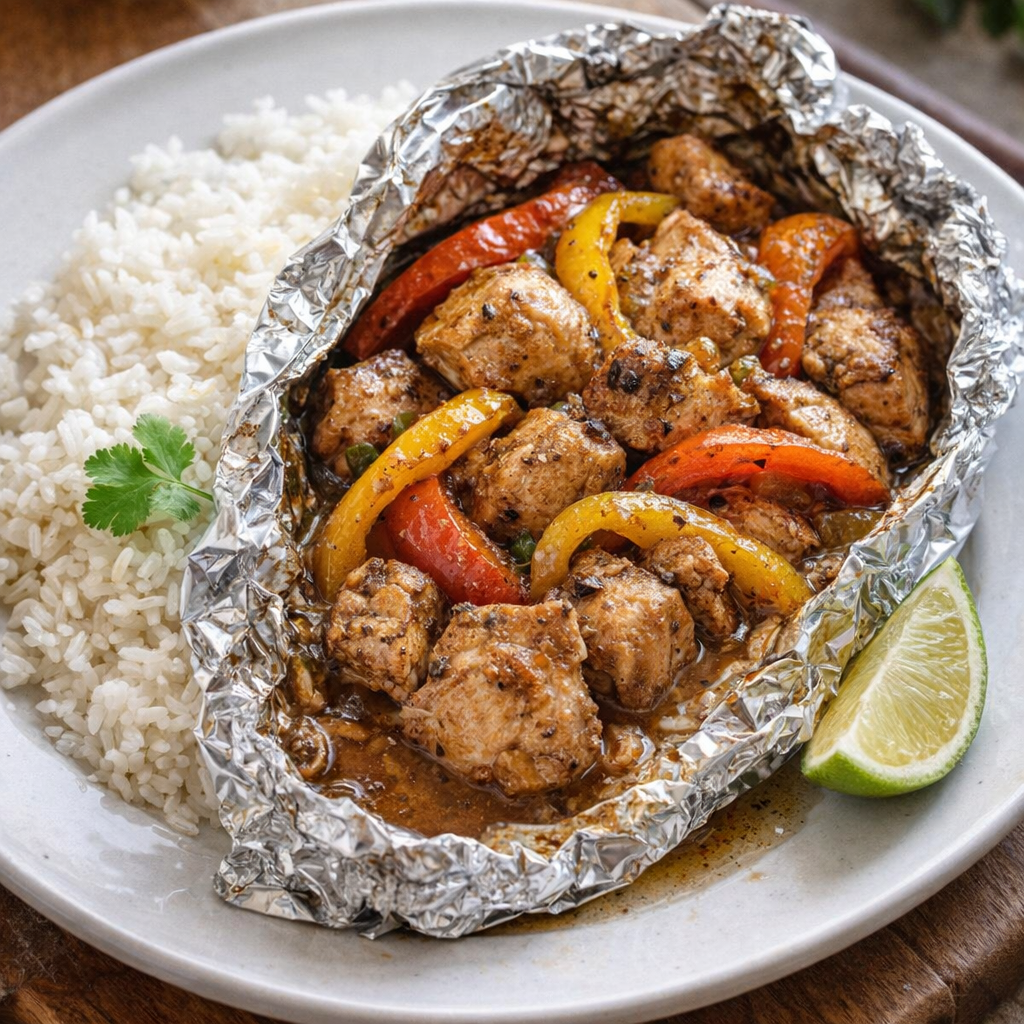
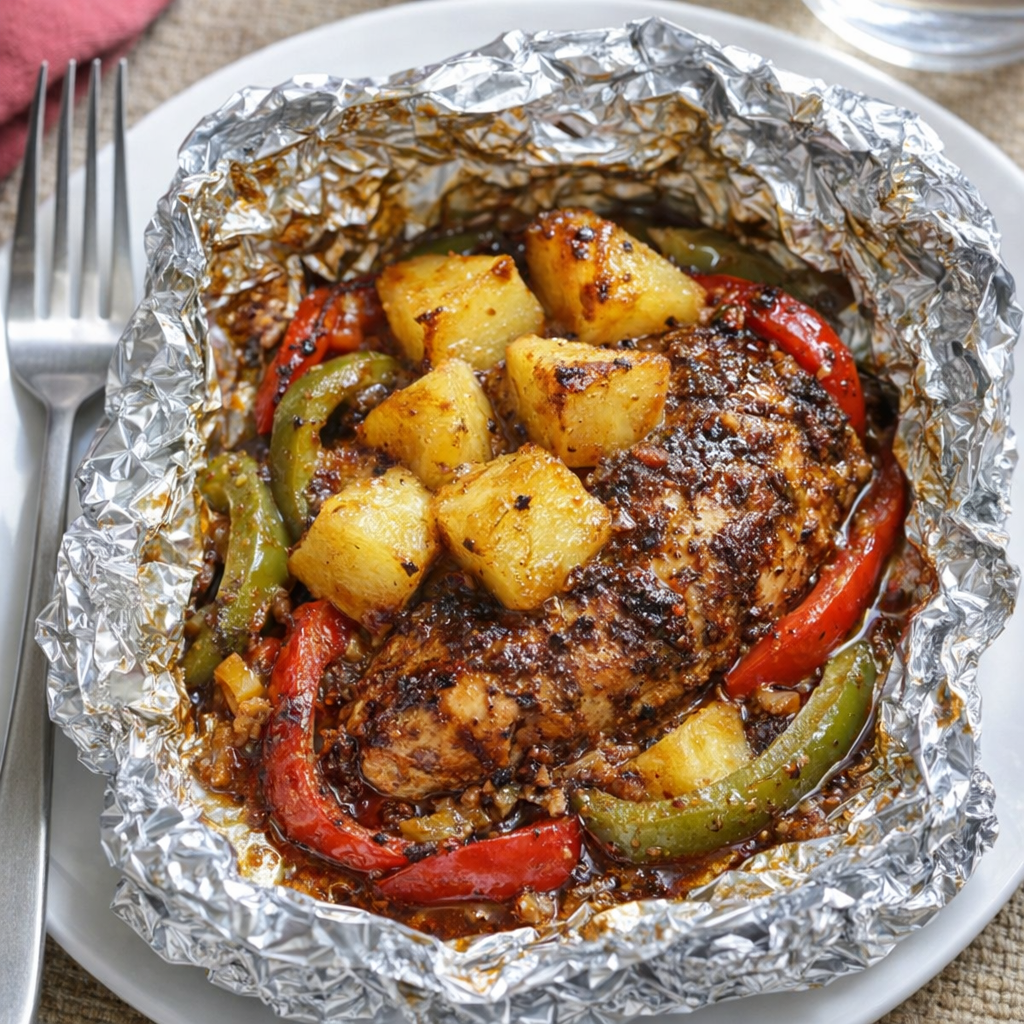
This slow cooker 4-ingredient jerk chicken and pepper packets recipe is the kind of thing you make once for a block party and then everyone begs you for the directions. You literally toss four simple ingredients into foil, seal them up, and let the slow cooker do all the work. The jerk seasoning brings warm island flavor, the peppers get sweet and tender, and the chicken turns out juicy with almost no effort. It’s perfect for busy weeknights, potlucks, or those days when you want something fun and flavorful without standing over the stove.

Serve these jerk chicken and pepper packets right in the foil for a fun, no-fuss meal. We like to spoon the chicken and peppers over steamed white rice, brown rice, or cilantro-lime rice to soak up all the juices. They’re also great tucked into warm tortillas or piled onto toasted buns with a little shredded lettuce.
Add a simple side like corn on the cob, a green salad, or sliced fruit to round out the plate. If your family enjoys toppings, set out sour cream or plain Greek yogurt, lime wedges, and shredded cheese so everyone can customize their own packet.
Slow Cooker 4-Ingredient Jerk Chicken and Pepper Packets
Servings: 4

Ingredients
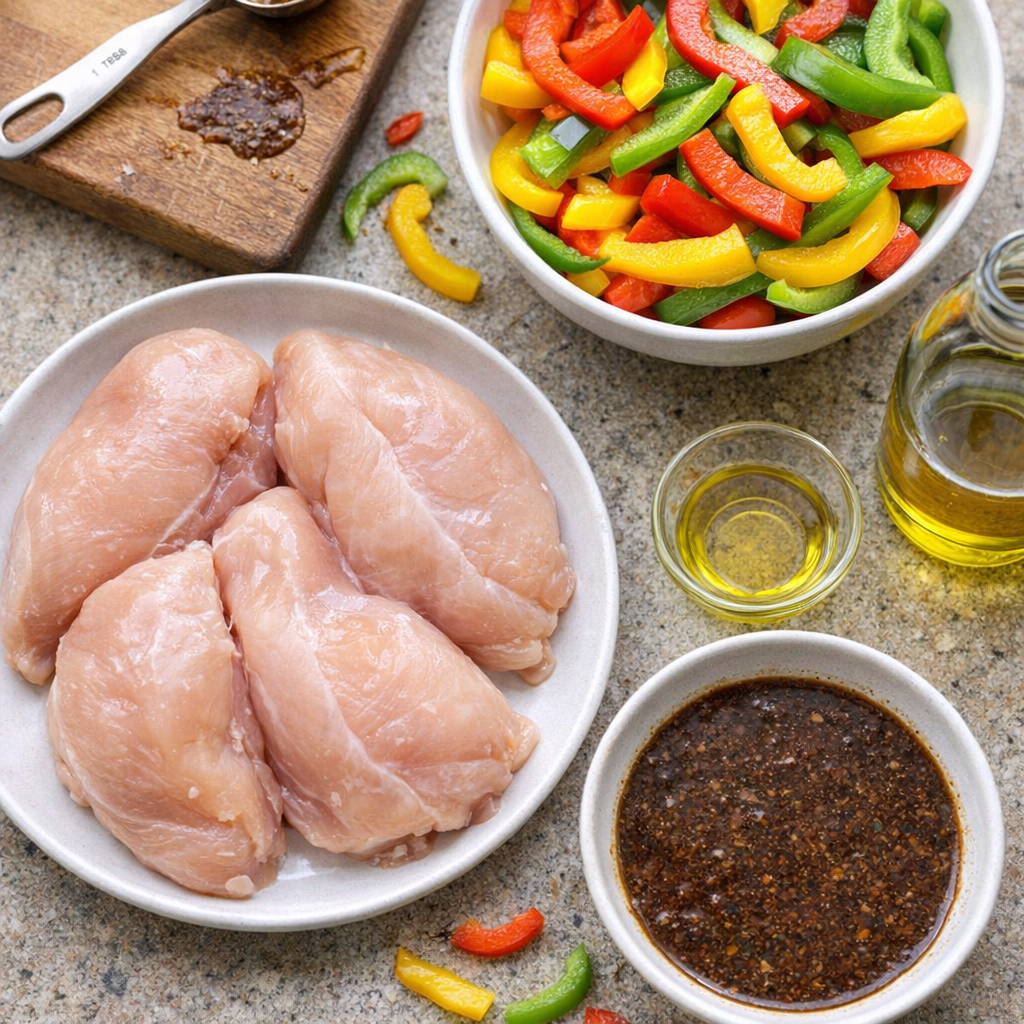
1 1/2 pounds boneless, skinless chicken breasts (about 3–4 small breasts)

Directions
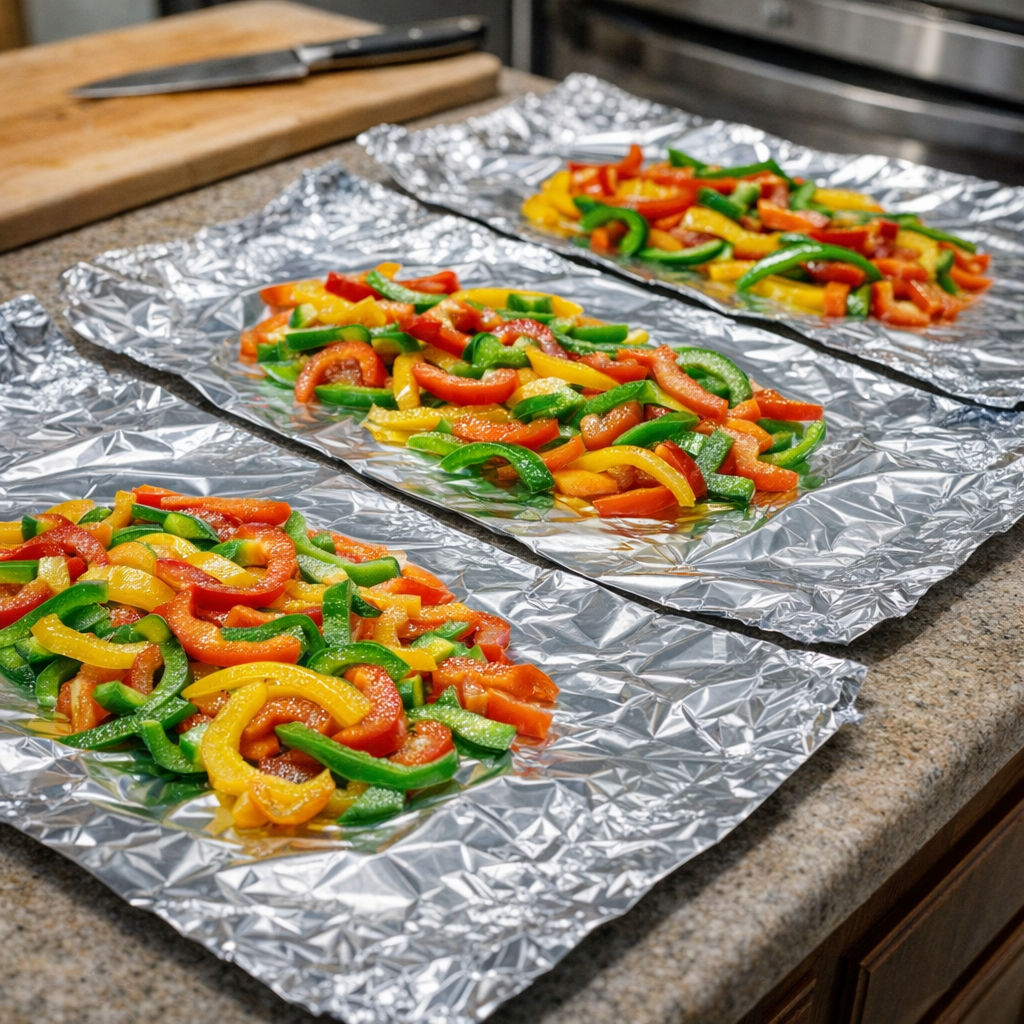
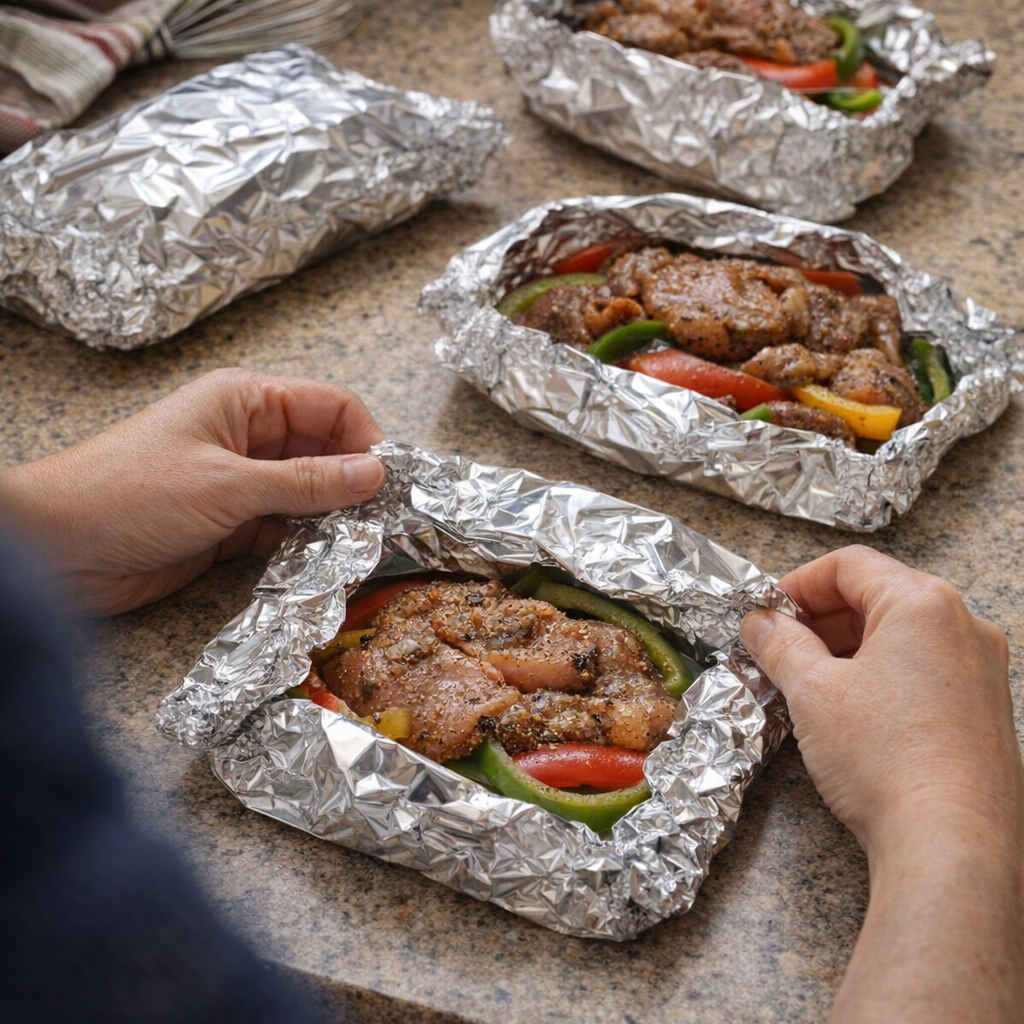
Lay out 4 large sheets of heavy-duty aluminum foil, each about 12–14 inches long. Lightly crumple and then flatten each sheet once to make them a bit sturdier, then set them on the counter, shiny side up.
Slice the bell peppers into thin strips and divide them evenly among the 4 foil sheets, piling the peppers in the center of each sheet.

Cut the chicken breasts into large bite-size chunks (about 1 1/2-inch pieces). Divide the chicken evenly over the peppers on each foil sheet.
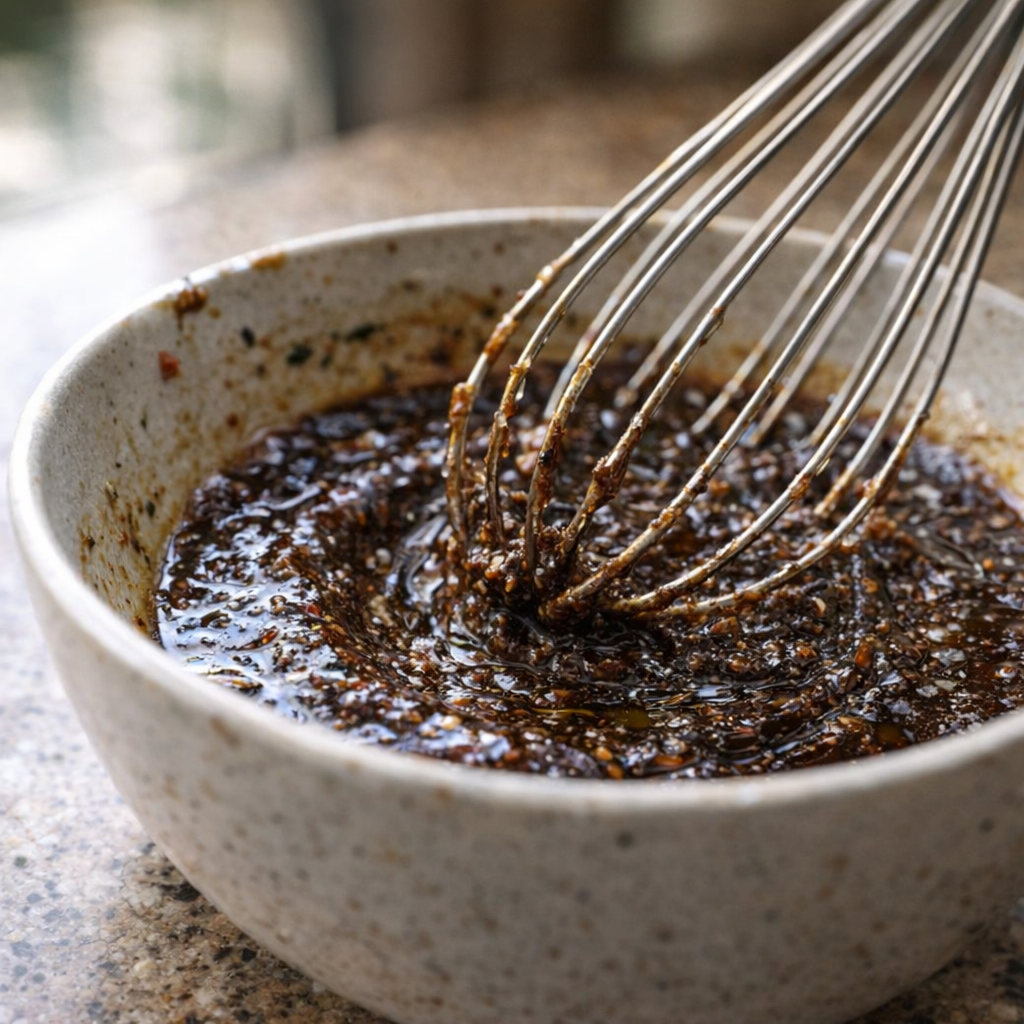
In a small bowl, whisk together the jerk seasoning (or jerk marinade) and the olive oil until well combined. This thins the seasoning a bit so it coats everything more easily.

Spoon the jerk mixture evenly over the chicken and peppers in each packet. Use the back of the spoon to nudge the sauce around so most of the chicken pieces get some seasoning on them. No need to be perfect—everything will mingle as it cooks.
Bring the long sides of each foil sheet up and together over the chicken, then fold them down tightly to seal. Fold in the short ends securely so no juices can escape. You should have 4 fully sealed foil packets.

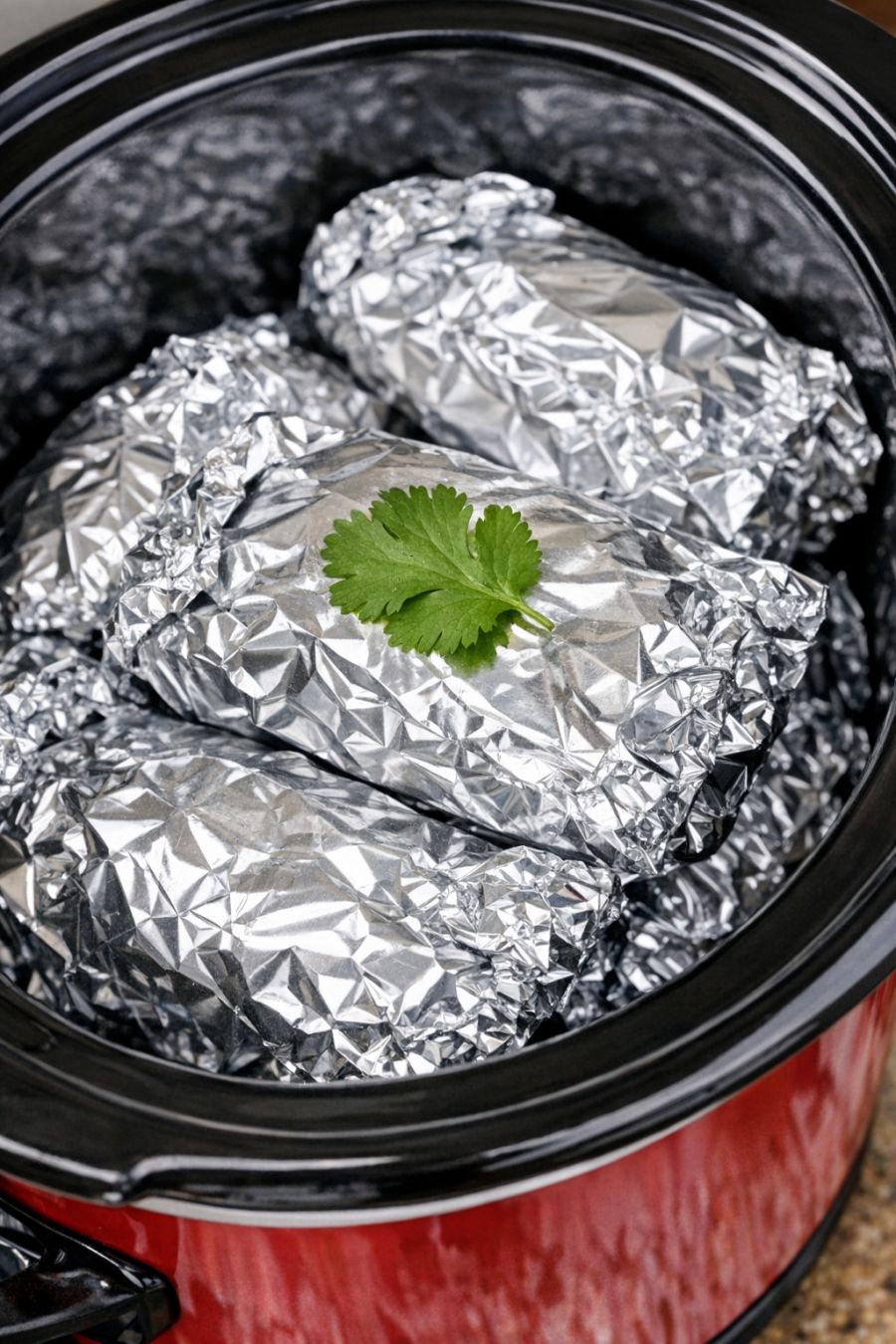
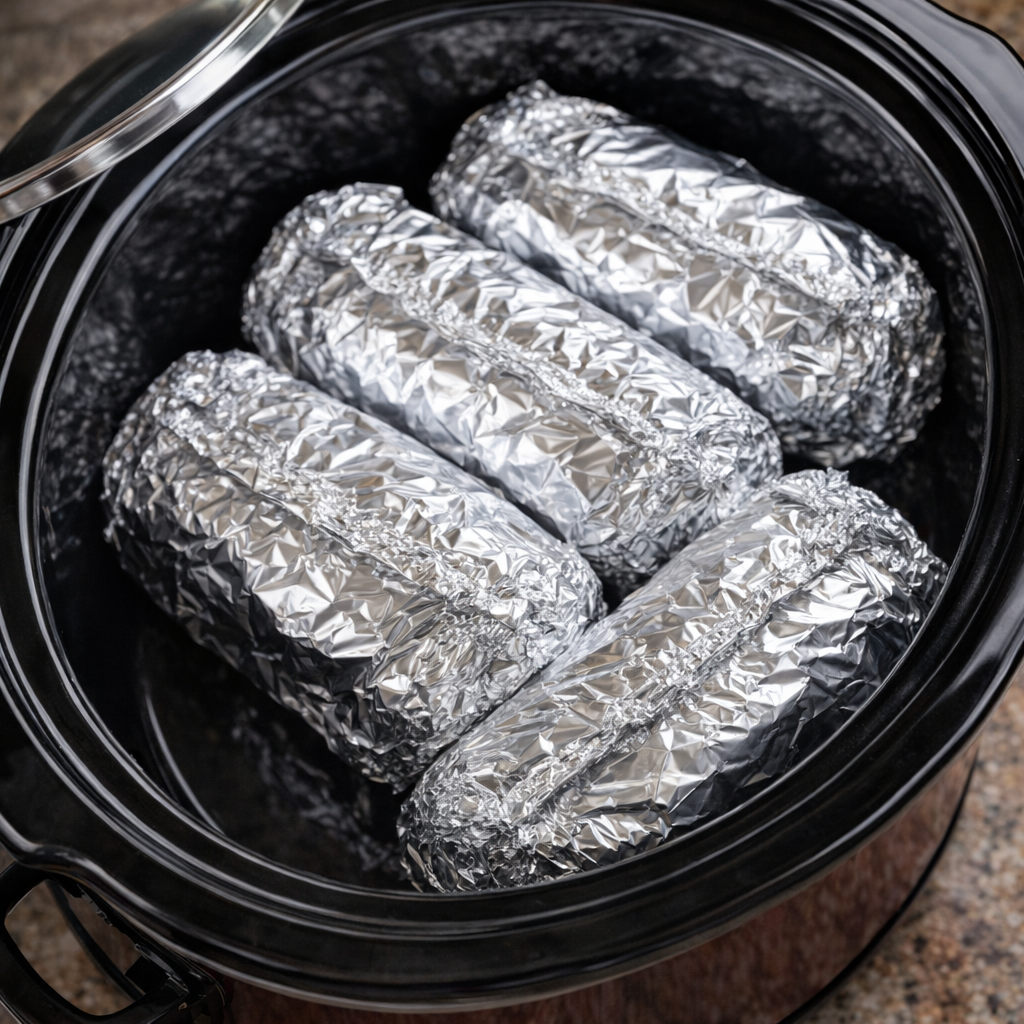
Place the foil packets into the slow cooker, seam side up. It’s okay if they overlap a bit, just try not to crush them. Cover with the slow cooker lid.
Cook on LOW for 4–5 hours or on HIGH for 2–3 hours, until the chicken is cooked through and tender (internal temperature should reach 165°F/74°C). The peppers will be very soft and the packets will be steamy and juicy.

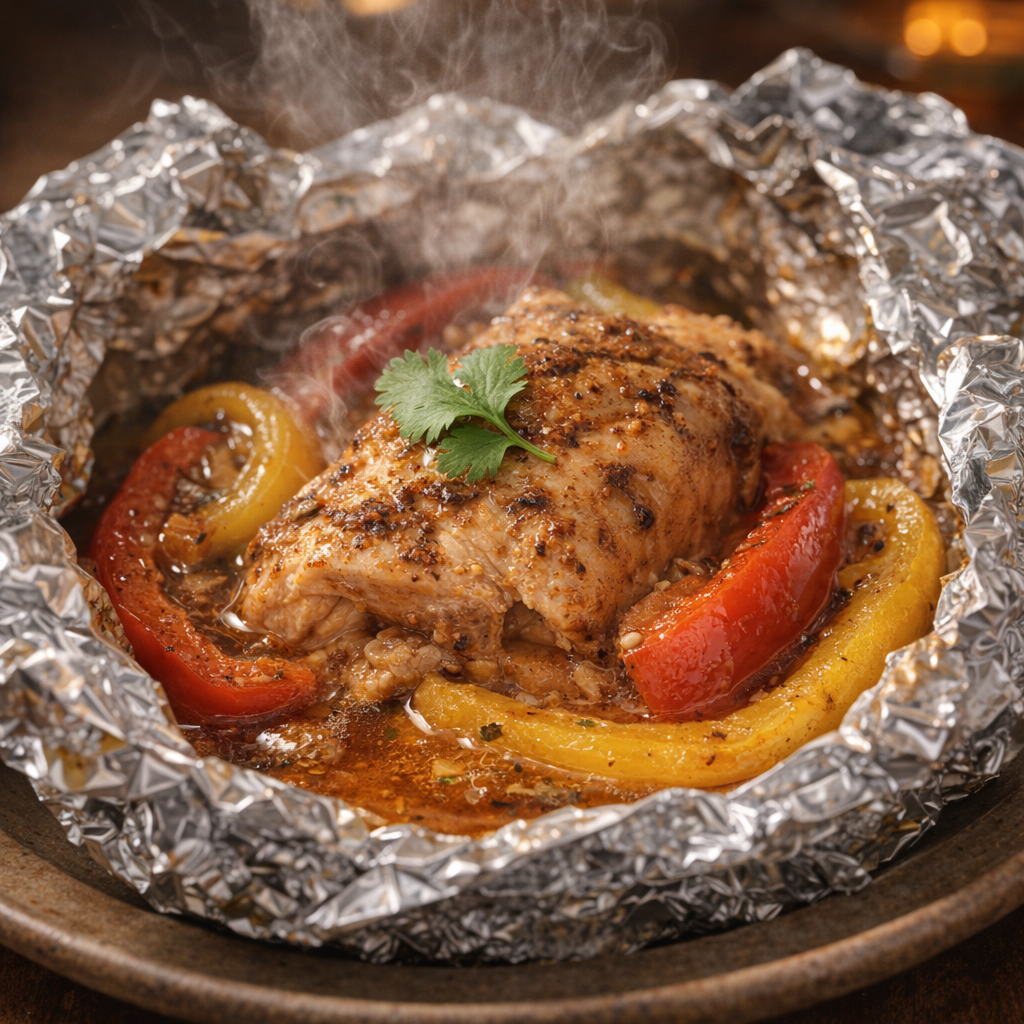
Turn off the slow cooker and carefully lift the packets out with tongs, placing them on plates or a baking sheet. Open each packet slowly, facing away from you, to avoid the hot steam.
Serve the chicken and peppers directly in the foil packets or transfer to plates, spooning all the flavorful juices over the top. If you like, garnish each packet with a small sprig or leaf of fresh cilantro right before serving to match the photo look.

Variations & Tips
For milder palates or picky eaters, choose a mild jerk seasoning or use half jerk seasoning and half barbecue sauce to soften the heat and add sweetness. If someone in your house doesn’t love peppers, you can swap their portion for sliced onions or a mix of onions and carrots—just keep the total amount of veggies about the same so the packets cook evenly.
To make it a bit richer, add a small handful of pineapple chunks to each packet before sealing; the sweetness pairs beautifully with jerk flavors. For a lighter option, use boneless, skinless chicken thighs instead of breasts and trim off any excess fat; they stay very tender and forgiving if they cook a little longer.

If you want to turn this into a freezer meal, assemble the chicken, peppers, jerk seasoning, and oil in a labeled freezer bag, freeze flat, then thaw in the fridge overnight and portion into foil packets in the morning. You can also bake these packets in a 400°F (200°C) oven on a sheet pan for about 25–30 minutes if your slow cooker is busy.
Let kids help by letting them build their own packets—set out the sliced peppers and chicken, drizzle the jerk mixture yourself, and let them fold the foil with your guidance; it makes them more excited to eat dinner. Ju
Sunday, May 24, 2026
This is the kind of dish I lean on in late May, when the days get long and I’d rather be out on the porch than hovering over the stove.
It’s a 4‑ingredient, hands‑off oven bake that turns simple potatoes into a deep caramelized, umami‑rich casserole with a glossy, amber crust. The idea comes straight out of old Midwestern church suppers, where a pan of potatoes and onions could sit in a warm oven for hours and just get better and better.
Rustic pan of baked potatoes on a porch table
Here, a starchy layer of thin‑sliced potatoes slowly releases its juices, mingling with soy sauce and butter until everything bubbles, thickens, and turns sticky at the edges. You assemble it early in the day, slide it into the oven, and let time do the rest.
Serve this caramelized umami potato bake as the centerpiece alongside a simple green salad with a tangy vinaigrette, or next to grilled pork chops, roast chicken, or a skillet of sausages. It’s also lovely with sliced garden tomatoes and cucumbers once they’re in season, or a dish of cottage cheese and fresh chives for a true Midwestern table.
A crusty loaf of bread or warm dinner rolls are perfect for swiping through the glossy, savory juices that collect at the bottom of the pan.
4-Ingredient Umami Potato Bake
Servings: 6
Ingredients
3 pounds russet potatoes, peeled and thinly sliced (about 1/8 inch)
1 large yellow onion, thinly sliced
1/2 cup unsalted butter, melted
1/3 cup soy sauce (regular or low-sodium)
Directions
Preheat your oven to 325°F (165°C). Lightly butter or oil a 9x13-inch glass baking dish so the potatoes release easily and the edges can caramelize.
Peel the russet potatoes and slice them thinly, about 1/8 inch thick. A sharp knife works fine; just try to keep the slices fairly even so they cook at the same pace.
As you slice, keep the potatoes in a bowl of cold water if you need to pause, then drain and pat them dry before layering so they can form a good starchy glaze.
Sliced potatoes and onions ready for layering
Thinly slice the onion from root to tip into half-moons. Separate the layers with your fingers so they can weave between the potatoes and melt down in the oven.
In a small bowl or measuring cup, whisk together the melted butter and soy sauce until the mixture looks smooth and glossy. This is your simple umami “sauce” that will soak into the potatoes and form that glistening, amber crust.
Layer about one-third of the potato slices in the bottom of the glass baking dish, overlapping them slightly like shingles to create a solid starchy layer. Scatter one-third of the sliced onions over the potatoes. Repeat with two more layers, ending with potatoes on top and tucking in any stray onion pieces so they don’t burn.
Layered potatoes in a glass baking dish
Slowly pour the butter–soy mixture evenly over the entire dish, letting it seep down between the layers. Tilt the pan gently if needed to help distribute the liquid. The potatoes won’t be submerged; they’ll release their own juices as they bake and thicken into a glossy, starchy sauce.
Cover the baking dish tightly with foil, crimping the edges so steam can build up inside. This first part of baking lets the potatoes soften and the starch release without drying out.
Bake, covered, at 325°F (165°C) for 1 1/2 hours. During this time the potatoes will turn tender, the onions will melt, and the liquid will start to look slightly thickened and opaque from the potato starch.
After 1 1/2 hours, carefully remove the foil, watching for a rush of hot steam. Increase the oven temperature to 375°F (190°C). Return the uncovered dish to the oven and continue baking for 35 to 45 minutes, or until the top is a deep golden brown, the edges are caramelized and bubbling, and you can see a glistening, amber sheen on the surface.
Potato bake just uncovered from the oven
If you want an extra-deep caramelized crust, you can move the dish to the upper third of the oven for the last 10 minutes. Watch closely so the sugars and soy don’t tip over into burnt.
Once done, remove the dish from the oven and let it rest at least 15 minutes before serving. The steam will calm down, and the starchy juices will thicken into a silky, pull-apart texture.
You should see strands of tender potato and onion stretching a bit as you lift out a serving, with a shiny, caramelized layer clinging to the top.
Served square of caramelized potato bake on a plate
This dish is perfect for getting dinner handled hours ahead: assemble it in the morning, keep it covered in the refrigerator, then slide it into the oven in the mid-afternoon so it’s soft, bubbling, and ready right around suppertime. It holds beautifully on the warm setting or in a turned-off oven for up to an hour before serving.
Variations & Tips
For a slightly sweeter edge, drizzle 1 to 2 tablespoons of maple syrup or honey into the butter–soy mixture before pouring it over the potatoes; this will deepen the caramelization and give a more pronounced amber crust. If you like garlic, tuck 3 to 4 thinly sliced cloves between the potato layers, or sprinkle a little garlic powder over each layer.
To lean into more classic Midwestern flavors, replace half of the soy sauce with Worcestershire sauce for a beefy, steakhouse-style undertone. You can also swap part of the russets for Yukon Gold potatoes, which hold their shape a bit better and give a richer, buttery color, though russets release more starch and make a glossier, more cohesive bake.
Variation ingredients beside the potato bake
For a heartier main dish, scatter cooked, crumbled sausage or shredded rotisserie chicken between the middle layers (be sure any meat is fully cooked and cooled slightly before adding, and keep the dish refrigerated if you assemble ahead). If sodium is a concern, choose low-sodium soy sauce and unsalted butter, then season lightly with extra salt at the table only if needed.
Food safety tips: Always keep sliced potatoes and onions refrigerated if you prep them more than an hour in advance, and do not leave the assembled, uncooked dish at room temperature for more than 1 to 2 hours. When baking from cold, add 10 to 15 minutes to the covered bake time to ensure the center reaches at least 190°F for soft, fully cooked potatoes. Refrigerate leftovers within 2 hours of serving and reheat thoroughly until steaming hot before eating.
These southern 4-ingredient cheddar corn muffin bites are the kind of thing that disappears before the pan has a chance to cool. The idea came from my neighbor down the road, who showed up one afternoon with a warm plate of these little golden bites. My grandkids devoured the whole stack in minutes, and I knew I had to jot the recipe down.
Warm cheddar corn muffin bites on a country plate
It leans on the convenience of a boxed cornbread mix but tastes like something your grandmother might have pulled from a cast iron skillet after Sunday service—crispy edges, tender centers, and pockets of sharp cheddar in every bite.
Serve these muffin bites warm, right out of the cast iron skillet if you can, with a pat of softened butter or a drizzle of honey for those who like a sweet-salty bite. They’re perfect alongside a big pot of chili, a bowl of soup, or a platter of fried chicken. I also like to set them out as a nibble before supper with some sliced apples or pickles on the side. If you’re feeding a crowd, keep a clean kitchen towel over the skillet to hold in the warmth and let folks help themselves.
Southern 4-Ingredient Cheddar Corn Muffin Bites
Servings: 18–24 mini muffin bites
Ingredients
1 (8.5 oz) box Jiffy-style cornbread muffin mix
1/3 cup whole milk
1 large egg
1 cup shredded sharp yellow cheddar cheese, lightly packed
Directions
Preheat your oven to 400°F (200°C). Place a well-seasoned cast iron skillet (8–10 inch works well) or a cast iron mini muffin pan in the oven while it heats so the pan gets good and hot.
Cast iron skillet heating in a home oven
In a medium mixing bowl, combine the cornbread muffin mix, milk, and egg. Stir with a fork or spoon just until everything is moistened; the batter will be a little lumpy and that’s fine. Do not overmix or the bites can turn tough.
Fold in the shredded sharp cheddar cheese, making sure it’s evenly distributed so every bite has little pockets of melted cheese peeking through once baked.
Cheddar folded into corn muffin batter in a mixing bowl
Carefully remove the hot cast iron skillet from the oven. Lightly grease the bottom and sides with a thin layer of butter or neutral oil (use a heatproof brush or a folded paper towel on tongs). If using a regular skillet instead of a mini muffin pan, you’ll be dropping small spoonfuls of batter in to make little bites.
Spoon the batter into the hot skillet in small mounds, about 1 heaping tablespoon each, leaving a little space between them so the edges can crisp. If using a cast iron mini muffin pan, fill each well about two-thirds full.
Corn muffin batter spooned into hot cast iron pan
Return the skillet or pan to the oven and bake for 10–14 minutes, depending on the size of your bites, until the tops are set, the cheese is melted, and the edges are a deep golden brown and slightly crispy.
Remove from the oven and let the bites sit in the skillet for 3–5 minutes to firm up slightly. Run a small knife or spatula around the edges if needed, then lift them out to a plate or basket. Serve warm while the cheddar is still soft and gooey.
Freshly baked cheddar corn muffin bites cooling in cast iron
Variations & Tips
For a touch of heat, you can fold a small pinch of red pepper flakes or a spoonful of finely minced pickled jalapeƱos into the batter without changing the basic four-ingredient structure too much. If you prefer a slightly sweeter bite, use a sweet-style cornbread mix or drizzle honey over the warm muffins instead of stirring anything extra into the batter.
To make them a little heartier, serve with softened butter whipped with a bit of honey or maple syrup. If you don’t have a cast iron skillet, you can use a well-greased metal mini muffin pan; you won’t get quite the same crust, but they’ll still be delicious.
Corn muffin bites served with honey butter
For food safety, always use a fresh egg (uncracked and clean), keep it refrigerated until you’re ready to mix the batter, and avoid tasting raw batter since it contains raw egg and flour. Bake until the centers are fully set—no wet batter should cling to a toothpick inserted in the middle. Let the skillet cool enough to handle safely, and be careful with hot oil or butter when greasing the preheated pan to avoid splatters and burns.
Saturday, May 23, 2026
Ingredients
1 ½ pounds steak sirloin is my favorite cut here
1 pound baby potatoes cut into ½ inch pieces (halving or quartering usually does it for me)
1 onion peeled, halved and then thinly sliced
1 tablespoon olive oil
2 tablespoons chopped fresh parsley
1 tablespoon minced garlic or more to taste
1 tablespoon Italian seasoning
salt and pepper to taste
2 tablespoons butter cubed
Instructions
Par-boil the potatoes (highly recommended):
Place the sliced potatoes in a pot of boiling, salted water and cook for 5 minutes. Drain immediately and place in a large bowl. Allow to sit until cool enough to handle, about 10 minutes.
Make the foil packets:
Prep the steak: Cut the steak into pieces (2.5 – 3 inches for well done, 3 – 4 inches for medium, 5 inches for rarer steak). Marinate it if you like.
Combine ingredients: Place the steak, potatoes, onion, olive oil, parsley, garlic, Italian seasoning, salt and pepper in a large bowl and toss well.
Assemble foil packets: Set out 4 pieces of aluminum foil, at least 12×12 inches. Evenly divide the steak and potatoes between the middles of the foil sheets. Top with butter cubes, then fold the foil over the steak and potatoes and seal well.
On the grill/fire: On a HOT grill, cook the foil packets for 8-10 minutes per side, or until the potatoes are tender (exact grilling time can vary depending on type of foil used, exact oven temperature, size of steak, etc.! I recommend an oven thermometer to check on the steak after about 10 minutes to gauge how much longer it will need!)If you’re cooking the packets on a fire without a grilling rack, place them on a 2-inch bed of coal.
In the oven: Bake the steak foil packets at 425°F for around 20 minutes, or until done to your liking (exact baking time can vary depending on type of foil used, exact oven temperature, size of steak, etc.! I recommend an oven thermometer to check on the steak after about 15 minutes to gauge how much longer it will need!). If you want a char on the steaks, open the packets and broil for 1-2 minutes at the end.